Understanding Snow Rider 3D's Core Mechanics
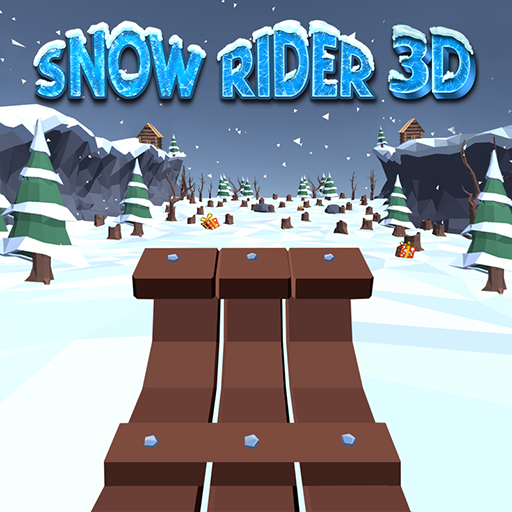
Before diving into specific strategies, it's crucial to understand what makes Snow Rider 3D unique in the landscape of online winter sports games. Launched in 2021, the game combines accessible skiing mechanics with creative park-building elements, all wrapped in vibrant 3D graphics that create an immersive experience.
The game's endless runner format means that success isn't about finishing a course, but rather about how far you can travel while maximizing coin collection and avoiding obstacles. This makes understanding jump physics and obstacle timing absolutely essential for achieving high scores and competing with top players.
The Physics of Jumping: Height, Distance, and Air Control
Basic Jump Mechanics
Snow Rider 3D features a sophisticated physics system that determines how your character responds to different terrain features. Understanding this system is the first step toward mastery:
- Jump height variables: The height and distance of your jumps are determined by several factors, including your approach speed, the angle of the ramp, and the timing of your jump input.
- Speed-to-height relationship: Higher speed approaching a jump translates directly to greater air time and distance. However, this must be balanced against control requirements for landing.
- Air control limitations: While in the air, your ability to adjust trajectory is limited. Making subtle adjustments is possible, but dramatic mid-air course corrections will often lead to crashes.
Advanced Air Techniques
Once you've mastered basic jumps, implement these advanced techniques:
- Drift jumping: Learn to subtly tap the left and right arrow keys (or screen sides on mobile) while in the air to perform controlled drifts that adjust your landing position.
- Speed conservation: The most skilled players maintain momentum through sequences of jumps by minimizing unnecessary movements and taking optimal racing lines.
- Landing optimization: Proper landing technique is crucial - aim to land smoothly on downward slopes when possible to maintain speed and control.
The Obstacle Cheat Sheet: Timing, Patterns, and Solutions
Common Obstacle Types and Their Timing Windows
Snow Rider 3D features several recurring obstacle types, each with distinct timing requirements:
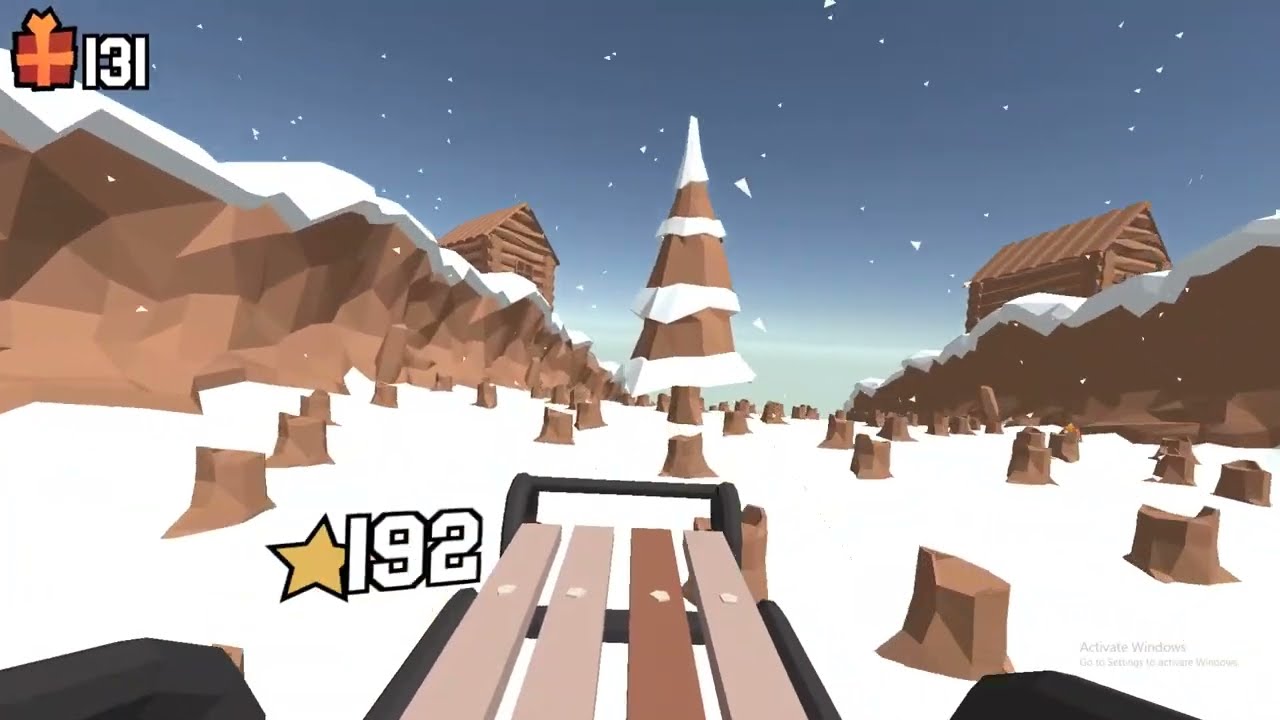
- Static obstacles (trees, rocks)
1. Timing window: Wide (1-2 second response time typically sufficient)
2. Strategy: These require basic spatial awareness rather than precise timing. Focus on maintaining a central path on the slope to maximize reaction time.
- Moving lateral obstacles
1. Timing window: Medium (requires anticipation and rhythm)
2. Strategy: Identify the pattern early-most moves in predictable rhythms. Time your passage for when the path is clearest, even if it means briefly reducing speed.
- Gap jumps and chasms
1. Timing window: Narrow (requires precise jump timing)
2. Strategy: For maximum distance, jump at the very edge of the gap. Jumping too early significantly reduces your clearance distance.
- Sequential obstacle combinations
1. Timing window: Complex (requires planning multiple moves ahead)
2. Strategy: Scan ahead constantly and identify the entire sequence before committing to your approach for the first obstacle.
Advanced Pattern Recognition
The game's obstacle placement often follows patterns that repeat with variations. As noted in gameplay guides, "There are sometimes obstacles that repeat, so remember the pattern and prepare for these same cases". This pattern-based design means that with enough practice, you can anticipate challenges before they appear on screen.
Developing this foresight is what separates average players from high scorers. Watch for these pattern types:
- Mirrored sequences: Obstacle arrangements that repeat in reverse order
- Rhythmic challenges: Obstacles that require timed movements at regular intervals
- Density variations: Sections with tightly-packed obstacles followed by more open areas for recovery
The Coin Collection Strategy: Integrating Rewards With Obstacle Navigation
A key insight from experienced players is that "Don't just blindly chase after every coin you see. Sometimes, it's better to prioritize staying on the course and avoiding obstacles". This highlights the need for strategic prioritization when navigating courses.
Implement these coin collection principles:
- Path efficiency: Identify routes that collect multiple coins with minimal deviation from optimal obstacle avoidance paths.
- Risk assessment: High-value coin clusters often appear in more dangerous areas. Quickly assess whether the potential points justify the risk.
- Speed maintenance: Sometimes skipping a difficult-to-reach coin is better than sacrificing momentum that will help with upcoming obstacles.
Practice Routines for Mastering Timing and Height Control
Fundamental Drills
- Jump timing practice: Focus specifically on jump timing for one gaming session, ignoring score to build muscle memory.
- Pattern recognition training: Play the same early levels repeatedly to internalize common obstacle arrangements.
- Peripheral vision development: Practice scanning further ahead on the course while maintaining control of immediate movements.
Advanced Training Techniques
- Obstacle-specific focus: Dedicate sessions to mastering one particular obstacle type that gives you trouble.
- Variable speed practice: Intentionally play at different speed levels to understand how approach velocity affects jump parameters.
- Consistency challenges: Attempt to complete familiar sections with perfect consistency rather than maximum speed.
Common Mistakes to Avoid
Sometimes, knowing what not to do is just as important.
- Button Mashing: Constantly pressing the jump button will lead to inconsistent results. Be deliberate with your inputs.
- Ignoring the Environment: The slopes are filled with natural features. Use them to your advantage!
- Speed Isn't Everything: While going fast is fun, uncontrolled speed is often the primary cause of crashing into obstacles or overshooting your landing.
Advanced Techniques for Seasoned Players
Once you've mastered the fundamentals, explore these advanced strategies:
- Environmental exploitation: "Use the environment to your advantage. Look for natural ramps and slopes that you can use to gain air and perform tricks".
- Predictive positioning: Position yourself for obstacles before they're immediately visible based on course patterns and layout.
- Score optimization: Once consistent survival is achieved, focus on maximizing points through intentional trick sequences and optimal coin collection routes.
Now, Conquer the Slopes!
With this Ultimate Snow Rider 3D Obstacle Cheat Sheet, you're now equipped with the knowledge to analyze every course, understand jump heights and timing, and execute like a pro. Remember, mastery comes from combining this knowledge with practice. So, get out there, hit the slopes, and show everyone who's the fastest rider on the mountain!
What's the most difficult obstacle you've faced in Snow Rider 3D? Share your experiences and own tips in the comments below!